


Food and Kids' Height: 5 Myths Parents Hear, and What the Research Says

Ask a group of parents what helps kids grow taller, and you'll hear plenty of confident answers. Some hold up. Others have been passed around for decades without much evidence behind them. Here are five of the most common, and where the research actually lands.
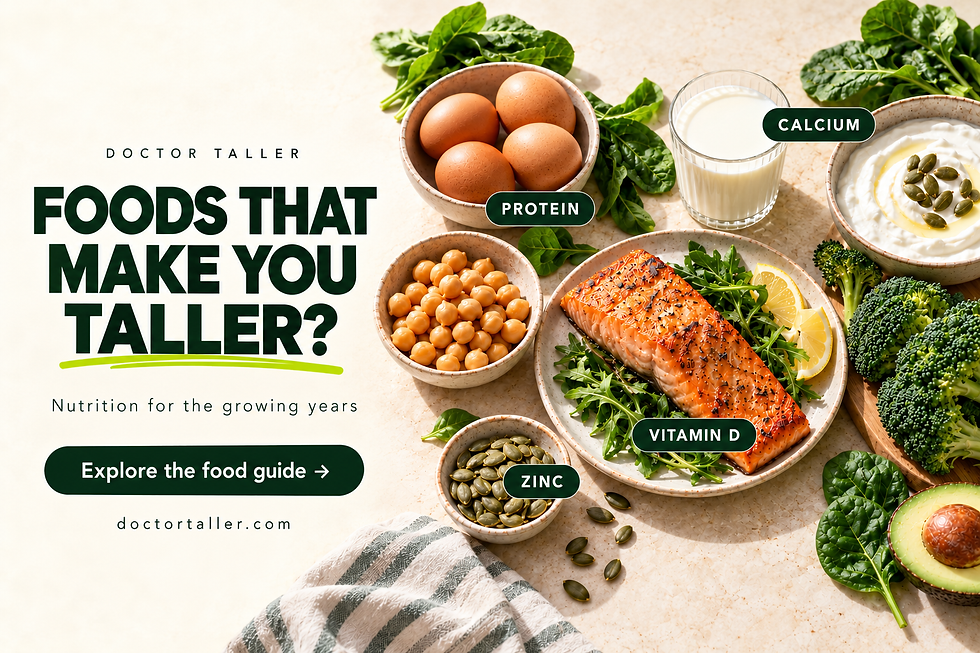
Myth 1: The right food can make any child tall
Genetics does most of the work. Twin studies estimate that around 80% of adult height is inherited. Nutrition influences the remaining share along with sleep and physical activity. A good diet helps a child reach the height their genes allow, but it can't push them beyond that range.
Myth 2: Milk is the only thing that matters
Milk is a great source of calcium and protein, but bone growth depends on a whole team of nutrients. Calcium barely gets absorbed without enough vitamin D. Protein supports IGF-1, a hormone tied to bone growth. Zinc, iron, omega-3s, and vitamin C all play supporting roles. Focusing on one food means missing the rest.
Myth 3: Rice stunts growth
This one has circulated for years, and there's no solid evidence to support it. Rice is a perfectly reasonable everyday carbohydrate for active, growing kids. What matters more is what gets served alongside it.
Myth 4: More protein means more growth
Protein is essential, and kids who don't get enough may grow more slowly. Once their needs are met, though, extra protein doesn't add height. Most children can meet their needs through regular foods like eggs, chicken, yogurt, beans, and tofu, without protein powders or shakes.
Myth 5: Vegetarian kids can't grow as well
A well-planned vegetarian diet can fully support healthy growth. Tofu and edamame provide complete protein, fortified plant milks help with calcium and vitamin D, and beans, lentils, and seeds cover zinc and iron. Pairing plant-based iron with vitamin C foods like peppers or oranges helps the body absorb more of it.
What actually works
The approach that holds up best is also the least exciting: a varied diet with protein at each meal, calcium-rich foods every day, fish a couple of times a week, plenty of colorful produce, and consistent sleep and activity. Repeated over months, these habits matter far more than any single food.
Read the full breakdown
For serving sizes, daily targets by age, and a simple daily meal pattern, see our complete guide: Foods That Make You Taller: What Actually Works, By Nutrient
This content is for general educational purposes. Talk with your child's pediatrician about specific nutrition or growth concerns.


Comments